In an era defined by the demand for resilient, sustainable, and cost-effective power, the 1MW/2MWh Containerized Lithium Battery Energy Storage System (ESS) emerges as a game-changing solution. This pre-integrated, utility-grade power station delivers unparalleled flexibility and performance, enabling a wide range of applications from industrial backup to grid support.
What is a 1MW/2MWh Containerized ESS?
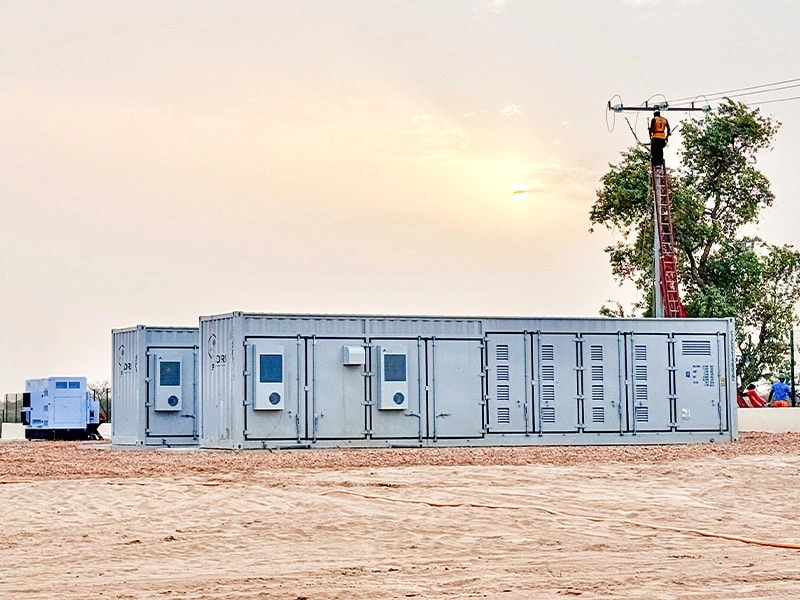
Imagine a complete, mega-watt scale power plant housed within a standard shipping container. This is the essence of a containerized ESS. The "1MW/2MWh" specification defines its core capabilities:
- 1MW (1,000 kW): The Power rating. This is the maximum amount of electricity the system can deliver or absorb at any single moment. It determines how much load it can support or how quickly it can charge.
- 2MWh (2,000 kWh): The Energy rating. This is the total amount of electricity the system can store. It determines how long the system can deliver its rated power—in this case, two hours at full discharge (2MWh / 1MW = 2 hours).
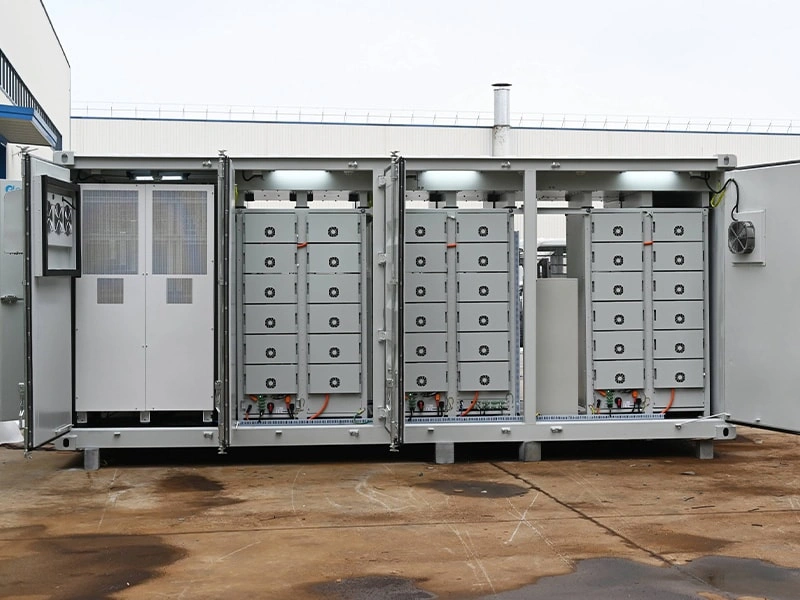
Housed within a single, ruggedized container are all the critical components: lithium iron phosphate (LiFePO4) battery racks, a power conversion system (PCS), thermal management, fire suppression, and a master control system.
Key Features and Advantages
1. Ultimate Plug-and-Play Simplicity
The system is fully assembled, wired, and tested at the factory. This "out-of-the-box" approach drastically reduces on-site installation time and complexity from months to weeks, minimizing civil works and labor costs.
2. Robust and Self-Contained Design
Built to an IP54 or higher rating, the container is designed for harsh outdoor environments. It provides superior protection against dust and moisture, allowing for deployment in industrial zones, remote locations, or variable climates without the need for a dedicated building.
3. Superior Safety with LiFePO4 Chemistry
Utilizing Lithium Iron Phosphate (LiFePO4) battery chemistry, the system offers exceptional thermal and chemical stability. This inherently safer chemistry, combined with an integrated fire suppression system and a comprehensive Battery Management System (BMS), ensures reliable and worry-free operation.
4. Unmatched Scalability and Flexibility
The containerized approach is inherently modular. Multiple 1MW/2MWh units can be easily connected in parallel to create larger systems (e.g., 2MW/4MWh, 5MW/10MWh), providing a clear and cost-effective path for future expansion as energy needs grow.
Core Applications and Use Cases
- Commercial & Industrial (C&I) Peak Shaving: The system is discharged during periods of high, expensive grid demand, dramatically reducing peak demand charges—often the largest component of a C&I electricity bill.
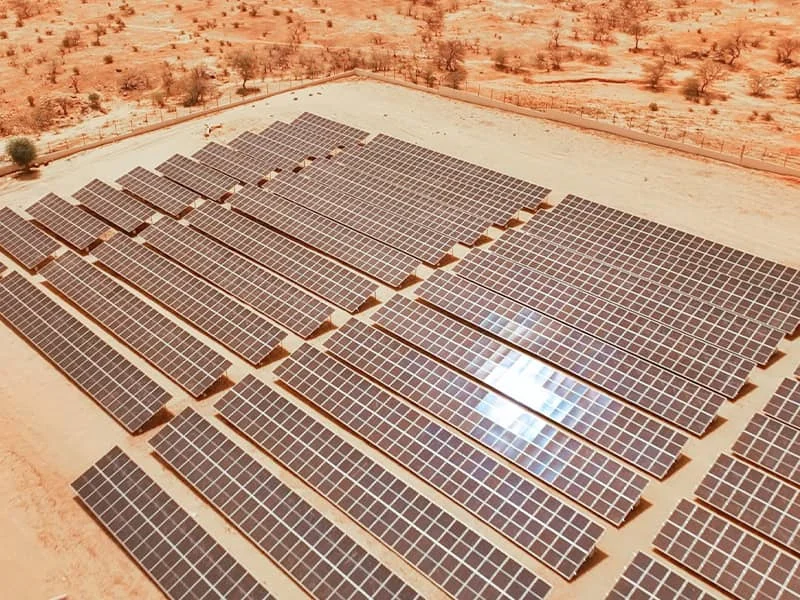
- Renewable Energy Time-Shifting: Stores excess solar or wind energy generated during the day for use at night, maximizing self-consumption and reducing reliance on the grid.
- Backup Power & Microgrids: Provides critical backup power for essential operations during grid outages. It can also serve as the core component of an islandable microgrid for remote communities or industrial sites.
- Utility Grid Services: Supports the electrical grid by providing services such as frequency regulation, voltage support, and spinning reserve, enhancing grid stability and reliability.
Conclusion
The 1MW/2MWh Containerized Lithium Battery Energy Storage System is more than just a battery; it is a strategic, all-in-one asset for energy management. By offering a potent combination of power, capacity, safety, and unparalleled ease of deployment, it empowers businesses, utilities, and communities to take control of their energy costs, enhance their sustainability, and build a more resilient power infrastructure for the future